

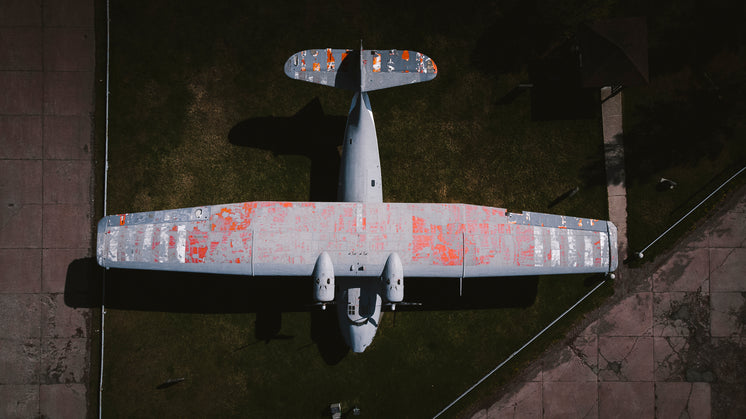
Private flying, often referred to as common aviation, encompasses a variety of flying activities that are not performed by business airways or military operations. This sector includes private pilots flying their very own aircraft, enterprise aviation transporting executives and shoppers, and charter providers providing on-demand flights. The allure of private flying lies in its flexibility, convenience, and the distinctive experiences it gives, but it additionally comes with its personal set of challenges and issues.

Advantages of Private Flying
One of many most important benefits of private flying is the pliability it supplies. Not like commercial airways, which function on mounted schedules and routes, private flying permits people to choose their departure instances and locations. This flexibility is particularly useful for enterprise travelers who want to achieve multiple places in a short interval or those touring to distant areas not serviced by industrial flights.
Furthermore, private flying can save time. The ability to fly on to a destination with out layovers or long security strains can significantly reduce journey time. Moreover, private airports often have shorter wait times and fewer congestion in comparison with major business airports, additional enhancing the effectivity of journey.
Another appealing side of private flying is the level of consolation and privacy it affords. Passengers can take pleasure in a more personalized experience, with the flexibility to customize in-flight companies according to their preferences. This is especially advantageous for business travelers who require a conducive atmosphere to work or hold conferences while in transit.
Challenges in Private Flying
Regardless of its many advantages, private flying additionally presents a number of challenges. One in all the first concerns is the cost related to proudly owning and operating an aircraft. Bills can rapidly add up, including buy value, upkeep, insurance coverage, gasoline, and storage charges. In case you loved this post and you wish to receive more details about Wattsup assure visit our page. For a lot of individuals and businesses, these prices will be prohibitive, main them to think about alternate options reminiscent of fractional ownership or charter providers.
Another challenge is the regulatory environment governing private flying. Pilots must adhere to strict laws set forth by aviation authorities, which may differ by nation. Obtaining the mandatory licenses and certifications requires time, effort, and financial funding. Moreover, maintaining compliance with safety regulations is paramount, as any lapse can result in serious consequences.
Safety is a essential concern in private flying. Whereas normal aviation has a strong safety report, the notion of danger can deter some potential pilots and passengers. Incidents involving private aircraft, although relatively rare, usually obtain vital media consideration, which may contribute to a perception of hazard. Subsequently, making certain rigorous training and adherence to safety protocols is essential for fostering trust in private flying.
The Function of Technology
Know-how has performed a transformative role on the earth of private flying. Advancements in avionics, navigation techniques, and aircraft design have made flying safer and more environment friendly. Fashionable aircraft are equipped with subtle techniques that improve situational awareness and reduce pilot workload, contributing to safer operations.
Furthermore, the rise of digital platforms has revolutionized how people e book private flights. On-line booking systems and mobile apps have made it simpler for passengers to access charter services and private jet rentals, streamlining the process and making it more user-pleasant. These technological developments have also contributed to increased transparency in pricing, allowing prospects to make informed choices.
The future of Private Flying
Wanting forward, the way forward for private flying seems promising, with several trends shaping its evolution. One notable development is the rising curiosity in sustainable aviation. As environmental considerations develop into more pressing, the aviation industry is exploring alternative fuels and technologies to scale back its carbon footprint. Electric and hybrid aircraft are being developed, offering the potential for more environmentally friendly private flying choices.
Moreover, the demand for private flying is anticipated to continue rising, driven by the rising need for versatile travel options. As more individuals and companies recognize some great benefits of private aviation, the market for charter services and fractional possession is likely to increase. This progress may additionally result in increased competition, ensuing in more inexpensive choices for consumers.
Moreover, the combination of advanced technologies similar to artificial intelligence and automation into flight operations could improve safety and efficiency. These innovations could lead to the development of autonomous aircraft, which may revolutionize the business by decreasing the necessity for human pilots and decreasing operational prices.
Conclusion
In conclusion, private flying offers a unique mix of flexibility, convenience, and personalised experiences, making it an attractive choice for a lot of travelers. While challenges corresponding to prices, regulatory hurdles, and security considerations exist, developments in expertise and a growing concentrate on sustainability are paving the way in which for a vivid future in this sector. Because the demand for private aviation continues to rise, it is important for stakeholders to address these challenges proactively and embrace the opportunities that lie forward. Ultimately, private flying is not only a mode of transportation; it's a gateway to new experiences and possibilities, making it an integral part of the modern journey landscape.




