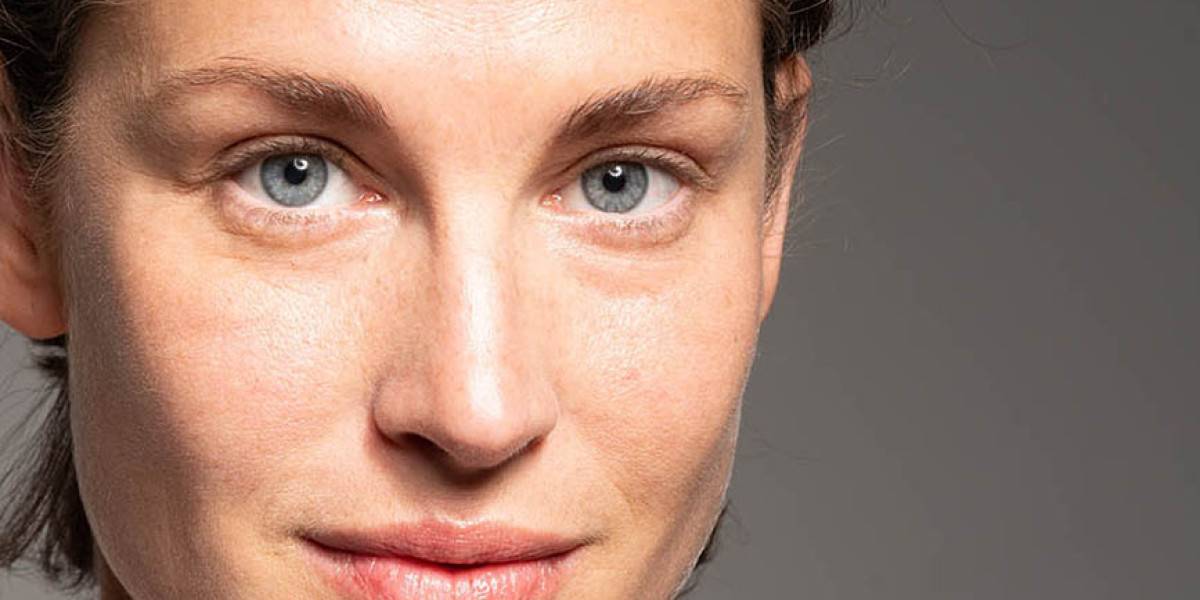

The appearance of the upper eyelids can influence the overall balance of the face, particularly around the eyes and forehead. With age, the skin around the eyes may gradually lose elasticity, leading to excess skin, changes in eyelid contours, and a heavier appearance. Some people experience these changes earlier because of their natural anatomy, family characteristics, or individual skin structure. Upper eyelid surgery is one option for addressing these concerns when they are suitable for surgical treatment.
However, there is no single surgical technique that is appropriate for every patient. The choice depends on several factors, including the amount of excess skin, the position of the eyebrows, the distribution of eyelid fat, the patient's natural eye shape, and their desired outcome. Understanding these considerations can help patients make informed decisions during a consultation.
For anyone considering Upper Blepharoplasty in London, a personalised assessment is essential to determine which approach may be most appropriate. The objective is to improve the upper eyelid contour while respecting the individual's facial features and maintaining a natural appearance.
Understanding Upper Blepharoplasty
Upper blepharoplasty is a surgical procedure designed to address excess skin and, where appropriate, selected amounts of underlying tissue in the upper eyelids. It is commonly considered by people who notice loose skin gathering around the eyelid crease or creating a heavier appearance above the eyes.
The procedure is not simply about removing as much skin as possible. The upper eyelids play an important role in eye closure, blinking, and maintaining a balanced facial appearance. Consequently, the surgeon must carefully evaluate the existing anatomy before recommending a particular technique.
Depending on the patient's needs, surgery may involve removing a measured amount of excess skin, adjusting selected underlying tissues, or addressing the relationship between the eyelid and surrounding structures. Some patients require a relatively straightforward approach, while others may benefit from a more detailed surgical plan.
The decision is based on clinical findings rather than age alone. Two people of the same age may have very different eyelid anatomy and therefore require different approaches.
The Amount and Distribution of Excess Skin
One of the most important factors influencing surgical technique is how much excess skin is present and where it is concentrated.
Some patients have a small amount of loose skin near the outer corners of the eyes. Others have more extensive skin folding across the upper eyelid, sometimes extending towards the eyelashes. The pattern of skin excess helps determine the extent and placement of the proposed incision.
When the excess skin is relatively limited, a conservative procedure may be sufficient. More pronounced skin laxity may require a carefully planned incision along the natural upper eyelid crease to allow the surgeon to remove the appropriate amount of tissue.
The distribution of the excess skin is equally important. If the skin is unevenly distributed between the inner and outer eyelids, the surgical plan may need to account for these differences.
The aim is to create a balanced contour without making the eyelids appear unnaturally hollow, tight, or excessively exposed. A careful assessment helps establish how much tissue can be addressed while preserving normal eyelid function.
The Natural Shape of the Eyes and Eyelid Crease
Every patient has a distinctive eye shape, eyelid crease, and relationship between the upper eyelid and the surrounding facial structures. These characteristics influence where an incision should be placed and how the eyelid contour may look after healing.
Some individuals have a clearly defined upper eyelid crease, while others have a less prominent crease or a fold of skin that partially covers it. The surgeon must consider these differences when planning the procedure.
For patients with a naturally deep crease, preserving the existing contour may be an important priority. For those with a less defined crease, the surgical plan should respect their natural anatomy rather than automatically creating a dramatically different appearance.
Ethnic and familial variations in eyelid anatomy should also be considered. There is no universally ideal eyelid shape, and an appropriate surgical outcome should reflect the patient's individual features.
During Upper Eyelid Surgery In London, discussing the desired appearance alongside the existing anatomy can help establish realistic expectations and guide decisions about incision placement and tissue adjustment.
Eyebrow Position and Forehead Anatomy
The position of the eyebrows can significantly affect the appearance of the upper eyelids. In some patients, excess eyelid skin is the main concern. In others, a lower eyebrow position contributes to the heaviness around the eyes.
These issues can appear similar but may require different treatment considerations.
When the eyebrows sit lower than their natural position, the skin above the eyelids may be pushed downwards, creating additional folds. Removing upper eyelid skin alone may not fully address the underlying concern if eyebrow position is a major contributing factor.
A consultation should therefore include an assessment of the eyebrows at rest and during facial movement. The surgeon may also consider forehead activity and the patient's habitual use of the forehead muscles to raise the eyebrows.
If eyebrow descent is contributing substantially to the appearance, a brow-related procedure may need to be discussed separately or as part of a broader treatment plan. This does not mean every patient undergoing upper blepharoplasty requires a brow lift.
The appropriate decision depends on identifying the source of the heaviness and selecting an approach that addresses it without creating an unexpected change in facial expression.
The Distribution of Fat Around the Upper Eyelids
Fat distribution is another consideration when selecting a surgical technique. The upper eyelids contain natural fat compartments that contribute to their shape and provide support to surrounding structures.
Some patients develop a fuller appearance in the upper eyelids, particularly towards the inner corners. Others have relatively little fullness but experience loose skin that makes the eyelids look heavy.
These differences matter because skin removal and fat adjustment are not interchangeable treatments. A patient with excess skin may not need substantial fat removal, while a patient with noticeable fullness may require an assessment of the underlying tissue.
Modern surgical planning generally emphasises conservative tissue management. Removing too much fat can create a hollow appearance that may become more noticeable as the face ages.
The surgeon should determine whether the fullness comes primarily from skin, fat, eyebrow position, or a combination of factors. The selected technique should reflect these findings rather than follow a standard approach for every patient.
Skin Quality, Elasticity, and Age-Related Changes
Skin quality can influence both the surgical plan and the expected appearance of the eyelids after healing. As skin elasticity changes over time, the upper eyelids may develop folds that remain visible even when the eyebrows are in a neutral position.
Patients with good skin elasticity and limited excess tissue may require a different approach from those with more extensive laxity and established creasing.
The surgeon will also consider the thickness and texture of the eyelid skin. These characteristics affect how the skin sits within the natural crease and how the contours may appear after the procedure.
Although age-related changes are a common reason for considering surgery, chronological age should not determine the technique on its own. A younger patient with naturally heavy eyelids may have different needs from an older patient whose main concern is a small amount of loose skin.
The focus should remain on the patient's anatomy, overall eye health, treatment goals, and suitability for surgery.
Eyelid Function and Medical Assessment
Aesthetic considerations are important, but the functional characteristics of the eyelids must also guide surgical planning.
The surgeon should assess how fully the eyelids open and close, whether the eyelid margins sit appropriately, and whether there are signs of an underlying eyelid position problem. A history of previous eye surgery, dry eye symptoms, contact lens use, or other relevant eye conditions may also influence the assessment.
In some patients, a drooping upper eyelid, known as ptosis, contributes to a tired appearance. Ptosis involves the position of the eyelid itself and is different from excess skin. Upper blepharoplasty alone may not adequately address this condition.
Distinguishing between excess skin, eyelid drooping, and eyebrow descent is therefore essential. When more than one factor is present, the surgeon can explain whether a single procedure is suitable or whether an alternative approach should be considered.
A thorough assessment supports a surgical plan that takes both appearance and eyelid function into account.
Previous Eyelid Surgery and Individual Anatomy
Patients who have previously undergone upper eyelid surgery may need a different surgical approach from those having the procedure for the first time.
Previous surgery can alter the amount of remaining skin, the appearance of the eyelid crease, and the distribution of underlying tissue. The surgeon must establish what was addressed during the earlier procedure and identify the specific concern that remains.
For example, a patient may have persistent skin excess, uneven eyelid contours, or a hollow appearance. Each concern requires a different assessment, and further tissue removal may not be the most suitable option in every case.
The patient's medical and surgical history should be reviewed before a treatment plan is finalised. Previous operative records, when available, may also help clarify the original technique.
A tailored approach is particularly important when the remaining tissue is limited or when the patient's goal is to improve an existing result rather than address age-related changes for the first time.
Desired Results and Personal Preferences
The choice of surgical technique should reflect what the patient hopes to achieve. Some people want a subtle improvement that makes the upper eyelids appear less heavy while preserving their familiar facial appearance. Others may be concerned about a specific fold of skin or the visibility of their eyelid crease.
Clear communication helps the surgeon understand these priorities and explain what surgery can realistically achieve.
During a consultation, patients can describe the changes they notice in everyday life, including whether the upper eyelids look heavy in photographs, whether the eyelid crease appears hidden, or whether one side looks different from the other.
The surgeon can then relate these concerns to the clinical assessment. Photographs may help document the existing anatomy and support a discussion about possible outcomes.
The objective should not be to reproduce another person's eye shape. Instead, the surgical plan should aim for an outcome that complements the patient's facial proportions and maintains an appropriate balance between the two eyes.
Choosing a Suitable Clinic and Surgeon in London
The quality of the consultation is an important part of the decision-making process. Patients considering upper eyelid surgery should look for a suitably qualified surgeon with relevant experience in eyelid procedures and a clear approach to individualised treatment planning.
A Blepharoplasty Clinic in London should provide an opportunity to discuss the patient's concerns, review their medical history, assess eyelid anatomy, and understand the proposed procedure.
Patients may find it helpful to ask which technique is being recommended and why it is appropriate for their specific anatomy. They can also ask how the natural eyelid crease will be considered, whether the eyebrows contribute to the appearance, and what changes are realistically achievable.
Before making a decision, patients should understand the proposed treatment, the expected recovery process, the aftercare arrangements, and the total cost of care. The lowest price or the most extensive procedure is not necessarily the best choice.
A well-planned consultation should provide clear explanations and enough time for patients to consider their options without pressure.
Conclusion
The choice of surgical technique for upper blepharoplasty depends on much more than the amount of loose skin around the eyes. Eyelid shape, eyebrow position, fat distribution, skin elasticity, eyelid function, previous surgery, and personal preferences all contribute to the decision.
A detailed assessment allows the surgeon to distinguish between concerns that may look similar but require different approaches. It also helps establish realistic expectations and supports a treatment plan that respects the patient's natural facial features.
For individuals considering Upper Blepharoplasty in London, the most appropriate technique is the one selected according to their anatomy, functional needs, and desired outcome. An informed consultation is the best starting point for understanding the available options and deciding whether surgery is suitable.
Frequently Asked Questions
1. What determines the best surgical technique for upper blepharoplasty?
The technique depends on the amount and location of excess skin, the natural eyelid crease, eyebrow position, fat distribution, skin quality, and eyelid function. The surgeon evaluates these factors before recommending an individualised approach.
2. Is the same upper eyelid surgery technique suitable for everyone?
No. Patients have different eyelid shapes, skin characteristics, and facial proportions. A technique that suits someone with mild skin laxity may not be appropriate for someone with substantial excess skin or a low eyebrow position.
3. Does eyebrow position affect upper blepharoplasty planning?
Yes. A low eyebrow position can contribute to upper eyelid heaviness. The surgeon should assess whether excess eyelid skin, eyebrow descent, or a combination of both is responsible for the patient's concerns.
4. Will upper blepharoplasty change my natural eye shape?
The aim is generally to improve the upper eyelid contour while respecting the patient's natural features. The extent of change depends on the existing anatomy, the surgical technique, and the amount of tissue that needs to be addressed.
5. Is fat removal always necessary during upper blepharoplasty?
No. Some patients mainly need excess skin addressed, while others have fullness that may warrant consideration of underlying tissue. Fat removal is not automatically required and should be based on the individual assessment.
6. How does previous eyelid surgery influence the choice of technique?
Previous surgery may change the amount of remaining skin and the underlying tissue structure. The surgeon must assess the current eyelid anatomy and the patient's previous procedure before deciding whether further surgery is appropriate.
7. How long does recovery from upper blepharoplasty take?
Recovery varies between individuals and depends on the surgical approach and personal healing process. Swelling and bruising may be noticeable initially, with gradual improvement over the following weeks. The surgeon should provide personalised guidance about returning to normal activities.
8. How can I prepare for an upper blepharoplasty consultation in London?
Prepare by listing your main concerns, previous eye or eyelid procedures, relevant medical conditions, and any medications you use. Consider asking about the recommended technique, expected results, recovery, aftercare, and overall treatment costs.
9. How do I know whether I need upper blepharoplasty or a brow lift?
Upper blepharoplasty primarily addresses excess upper eyelid skin, while a brow lift changes the position of the eyebrows. A clinical assessment helps determine which structure is contributing to the appearance and whether one or both procedures should be discussed.
10. What should I ask a surgeon before choosing upper eyelid surgery?
Ask about the surgeon's qualifications and experience, the reason for recommending a particular technique, how your natural eyelid shape will be preserved, the expected recovery period, follow-up arrangements, and the total cost. These questions can help you make an informed decision.





