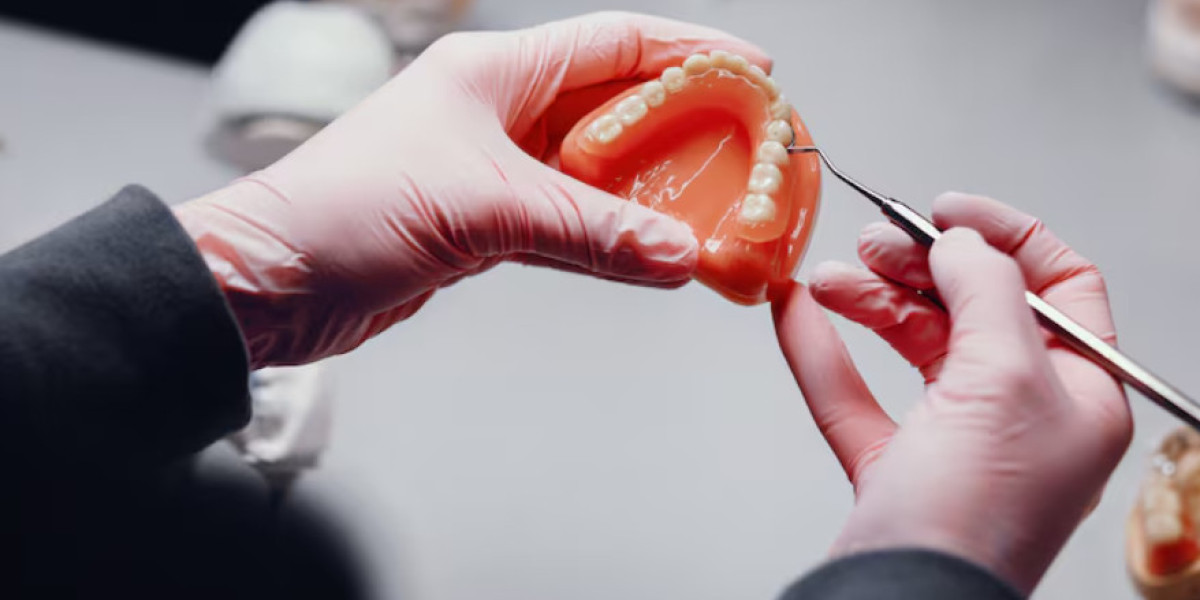

Missing teeth can affect much more than the appearance of your smile. Gaps can make chewing difficult, change the way you speak, and sometimes make people feel less confident in social situations. Fortunately, partial dentures can provide a practical way to replace missing teeth while helping restore everyday function. Among the options available, a nesbit flexible partial denture and an upper acrylic partial denture are two solutions that can be considered depending on the location of missing teeth, personal preferences, and individual dental needs.
Understanding how these types of partial dentures differ can help you have a more informed conversation about tooth replacement options.
What Is a Nesbit Flexible Partial Denture?
A nesbit flexible partial denture is designed to replace one or more missing teeth, particularly when the missing teeth are located in specific areas of the mouth. It is generally made using a flexible denture material that can adapt around the natural teeth and gums. Unlike some traditional partial dentures that use more noticeable metal components, flexible designs may provide a more discreet appearance.
One of the appealing characteristics of a nesbit flexible partial denture is its lightweight construction. The flexible material can be designed to fit around the existing teeth while providing support for the replacement tooth or teeth. This can make it an attractive option for people looking for a removable tooth replacement that blends naturally with their smile.
Because every mouth is different, the suitability of a flexible partial denture depends on the number and location of missing teeth, the condition of the remaining teeth, and the overall structure of the mouth.
Understanding an Upper Acrylic Partial Denture
An upper acrylic partial denture is another removable option for replacing missing teeth. As the name suggests, it is designed for the upper arch of the mouth and is commonly made from acrylic material. The denture includes replacement teeth attached to an acrylic base that is designed to resemble natural gum tissue.
An upper acrylic partial denture can be useful for people who have several missing teeth in the upper jaw but still have some natural teeth remaining. The acrylic base provides a foundation for the replacement teeth and can help restore the appearance and function of the upper smile.
Acrylic dentures can also be designed in different configurations based on the individual's needs. The size and shape of the denture depend on the location of the missing teeth and the amount of healthy natural tooth structure available for support.
Comparing the Two Options
Although both options are designed to replace missing teeth, a nesbit flexible partial denture and an upper acrylic partial denture may serve different situations.
A flexible partial denture may be particularly appealing when a person wants a lightweight and relatively discreet removable appliance. Its flexible construction can help it blend with the natural appearance of the mouth.
An upper acrylic partial denture, on the other hand, can provide broader coverage when multiple teeth are missing from the upper arch. Its acrylic base can support several replacement teeth and provide a larger foundation for the appliance.
The choice is not simply about appearance. Comfort, stability, the location of missing teeth, oral anatomy, and the condition of the remaining natural teeth can all influence which option is appropriate.
Benefits of Flexible Partial Dentures
Flexible partial dentures have several characteristics that make them appealing to some individuals. Their flexible material can provide a different feel compared with rigid denture materials. The absence of traditional metal components in some designs may also make the appliance less noticeable when smiling or speaking.
Another potential advantage is that flexible partial dentures can be relatively lightweight. For someone replacing a small number of teeth, a smaller removable appliance may feel more convenient during daily activities.
A nesbit flexible partial denture can be considered when the goal is to replace selected missing teeth with a removable appliance that emphasizes a natural-looking appearance. However, professional evaluation is important because flexible dentures are not suitable for every type of tooth loss.
Benefits of Acrylic Partial Dentures
An acrylic partial denture can be useful when multiple teeth need replacement. The acrylic base provides a larger structure that can support several artificial teeth. For people with missing teeth across the upper arch, an upper acrylic partial denture may offer a practical removable solution.
Acrylic is also commonly used in denture construction because it can be shaped and colored to resemble natural oral tissues. This allows the denture base to complement the appearance of the gums and surrounding teeth.
Another consideration is that acrylic partial dentures may offer flexibility in design. Depending on the situation, the appliance can be constructed to accommodate existing natural teeth while replacing missing ones.
Comfort and Daily Use
Comfort is an important factor when choosing any removable dental appliance. A partial denture should fit appropriately and should not cause persistent discomfort, excessive pressure, or irritation. Getting used to a new appliance can take some time, particularly when eating or speaking.
Good oral hygiene is also essential. Food particles can become trapped around a partial denture and the remaining natural teeth. Cleaning the appliance as recommended and maintaining regular oral care can help support a healthy mouth.
Whether someone chooses a nesbit flexible partial denture or an upper acrylic partial denture, the appliance should be handled carefully. It should be removed and cleaned according to the appropriate care instructions, and any changes in fit should be discussed with a dental professional.
Appearance and Confidence
Tooth loss can have an emotional impact because the smile is an important part of facial appearance. Replacing missing teeth can help people feel more comfortable when smiling, talking, and participating in everyday activities.
Flexible partial dentures are often selected when a person wants a discreet appearance. Acrylic partial dentures can also be designed with attention to the shape and color of the replacement teeth and gum-colored base.
The most natural-looking result depends on proper design, accurate fit, and the individual's existing teeth and oral features. Discussing appearance preferences before choosing a partial denture can help ensure that the final appliance meets both functional and cosmetic expectations.
Making the Right Choice
There is no single partial denture that is ideal for everyone. The best option depends on the individual's pattern of tooth loss, oral anatomy, remaining teeth, lifestyle, comfort preferences, and treatment goals.
A nesbit flexible partial denture may be considered when replacing selected missing teeth with a flexible and discreet removable design. An upper acrylic partial denture may be considered when several missing teeth in the upper jaw require replacement with a broader acrylic-based appliance.
It is important to have the mouth evaluated before selecting a partial denture. A dental professional can assess the remaining teeth, gums, bite, and available support and explain which designs may be appropriate.
Caring for Your Partial Denture
Proper care can help maintain the appearance and function of a partial denture. Cleaning should be performed regularly to remove food debris and buildup. The remaining natural teeth should also receive careful attention because they continue to provide important support for oral health.
Partial dentures should generally be stored appropriately when they are not being worn, following the care instructions provided for the specific material. Avoiding improper cleaning products or excessive force can help protect the appliance.
If a denture becomes loose, uncomfortable, damaged, or difficult to use, it should be evaluated rather than adjusted at home.
Conclusion
Replacing missing teeth can improve everyday comfort, appearance, and confidence. Both a nesbit flexible partial denture and an upper acrylic partial denture can provide removable tooth replacement, but they are designed for different situations and have different characteristics.
The right choice depends on individual dental needs rather than simply choosing the most popular option. By considering the location and number of missing teeth, appearance, comfort, maintenance, and overall oral health, patients can make a more informed decision about partial denture treatment. A professional evaluation can provide the guidance needed to determine whether a flexible or acrylic partial denture is appropriate for a particular smile.