

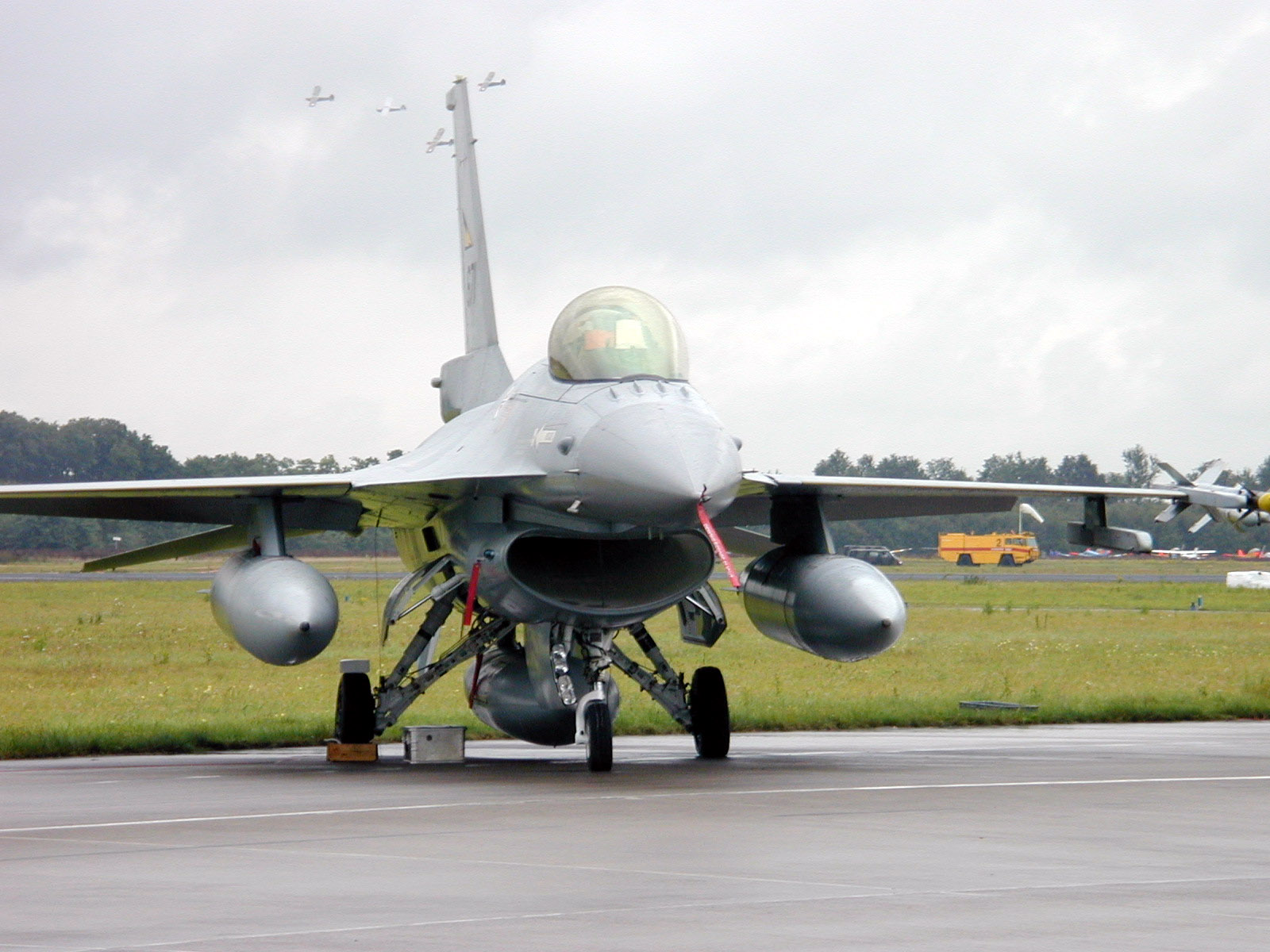
Private flying has lengthy been a logo of luxury, independence, and technological development. From its early days in the 20th century to the modern period of electric vertical takeoff and landing (eVTOL) aircraft, private aviation has developed dramatically. This text explores the historical context, current trends, and future prospects of private flying, emphasizing its influence on personal mobility, enterprise journey, and environmental sustainability.
Historical Context
The roots of private flying may be traced back to the early 1900s when aviation pioneers like the Wright brothers and Charles Lindbergh captured the general public's imagination. The first private aircraft have been primarily used by wealthy people and enterprise magnates, who sought to travel quickly and keep away from the hassles of economic air travel. The introduction of the Beechcraft Model 17 Staggerwing within the thirties marked a significant milestone, because it mixed velocity, consolation, and style, appealing to affluent buyers.
Put up-World Warfare II, the private aviation business began to flourish. The advent of jet aircraft within the 1960s revolutionized private flying, with fashions like the Learjet 23 making it doable for the elite to travel long distances in a fraction of the time. This period noticed the institution of mounted-base operators (FBOs), which supplied important services for private aircraft, further enhancing the appeal of private flying.
Present Trends
At the moment, the landscape of private flying is more diverse than ever. The market has expanded to include not solely conventional mounted-wing aircraft but additionally helicopters, enterprise jets, and emerging technologies like eVTOLs. The appearance of fractional ownership and charter companies has democratized private flying, permitting people and small businesses to access private aircraft without the burden of full ownership. Corporations corresponding to NetJets and Wheels Up have made private aviation extra accessible, catering to a broader audience.
Furthermore, the COVID-19 pandemic accelerated a shift towards private flying as travelers sought safer alternatives to crowded industrial flights. Many individuals and firms turned to charter providers, leading to a surge in demand for private aviation. This pattern has highlighted the importance of flexibility and convenience in journey, prompting operators to innovate and enhance their offerings.
The Position of Technology
Know-how is a driving power behind the evolution of private flying. Developments in avionics, supplies science, and propulsion methods have led to safer, extra environment friendly, and environmentally pleasant aircraft. The introduction of fly-by-wire methods has revolutionized cockpit operations, making flying more intuitive and decreasing pilot workload.
Moreover, the rise of electric and hybrid aircraft is poised to reshape the business. eVTOLs, specifically, have garnered important consideration for his or her potential to remodel urban mobility. Companies like Joby Aviation and Archer are creating aircraft that can take off and land vertically, making them ideally suited for brief-distance travel in congested urban areas. These innovations promise to reduce travel time and ease visitors congestion while minimizing the environmental affect of aviation.
Environmental Considerations
As issues about local weather change and sustainability develop, the private flying industry faces increasing scrutiny relating to its environmental footprint. Traditional aviation fuels contribute considerably to greenhouse fuel emissions, prompting the business to seek different options. The event of sustainable aviation fuels (SAFs) is a promising avenue, as these biofuels can considerably cut back carbon emissions in comparison with standard jet fuels.
Moreover, the push for electric aircraft aligns with international efforts to scale back reliance on fossil fuels. While fully electric aircraft are nonetheless in their infancy, hybrid fashions are already being examined, offering a transitional resolution that combines conventional jet engines with electric propulsion. The success of these initiatives will depend upon continued investment in research and growth, in addition to collaboration between manufacturers, regulators, and environmental organizations.
The future of Private Flying
Wanting forward, the way forward for private flying is poised for transformative adjustments. The integration of artificial intelligence (AI) and machine learning into aviation techniques will enhance security, effectivity, and passenger experience. AI-powered flight planning instruments can optimize routes and scale back fuel consumption, whereas advanced predictive maintenance programs can minimize downtime and enhance aircraft reliability.
Urban air mobility (UAM) is another thrilling frontier for private flying. As cities develop into increasingly congested, the demand for efficient transportation solutions will grow. eVTOL aircraft might provide a viable various to conventional ground transportation, enabling passengers to bypass traffic and attain their locations more rapidly. Nevertheless, the successful implementation of UAM would require sturdy regulatory frameworks and infrastructure growth, including vertiports and air visitors management systems.
Moreover, the continued evolution of the sharing economy will form the way forward for private aviation. If you have any issues relating to exactly where and how to use jet rental cost, you can contact us at our site. As customers increasingly prioritize experiences over ownership, on-demand companies will probably achieve traction. This shift might result in a rise in peer-to-peer aircraft sharing platforms, permitting private aircraft house owners to monetize their property when not in use.

Conclusion
Private flying has come a long way since its inception, evolving from a luxurious reserved for the elite to a more accessible mode of transportation. As technology continues to advance and societal needs change, the private aviation industry is poised for further transformation. The integration of sustainable practices, revolutionary aircraft designs, and urban air mobility solutions will outline the future of private flying.
Finally, the evolution of private aviation reflects broader developments in society, together with the pursuit of comfort, sustainability, and technological advancement. As we glance to the skies, the promise of private flying isn't solely about individual freedom and luxurious but also about making a extra environment friendly and sustainable future for all. The journey of private flying is far from over, and its future holds exciting possibilities that will shape the way in which we journey and join with the world around us.